

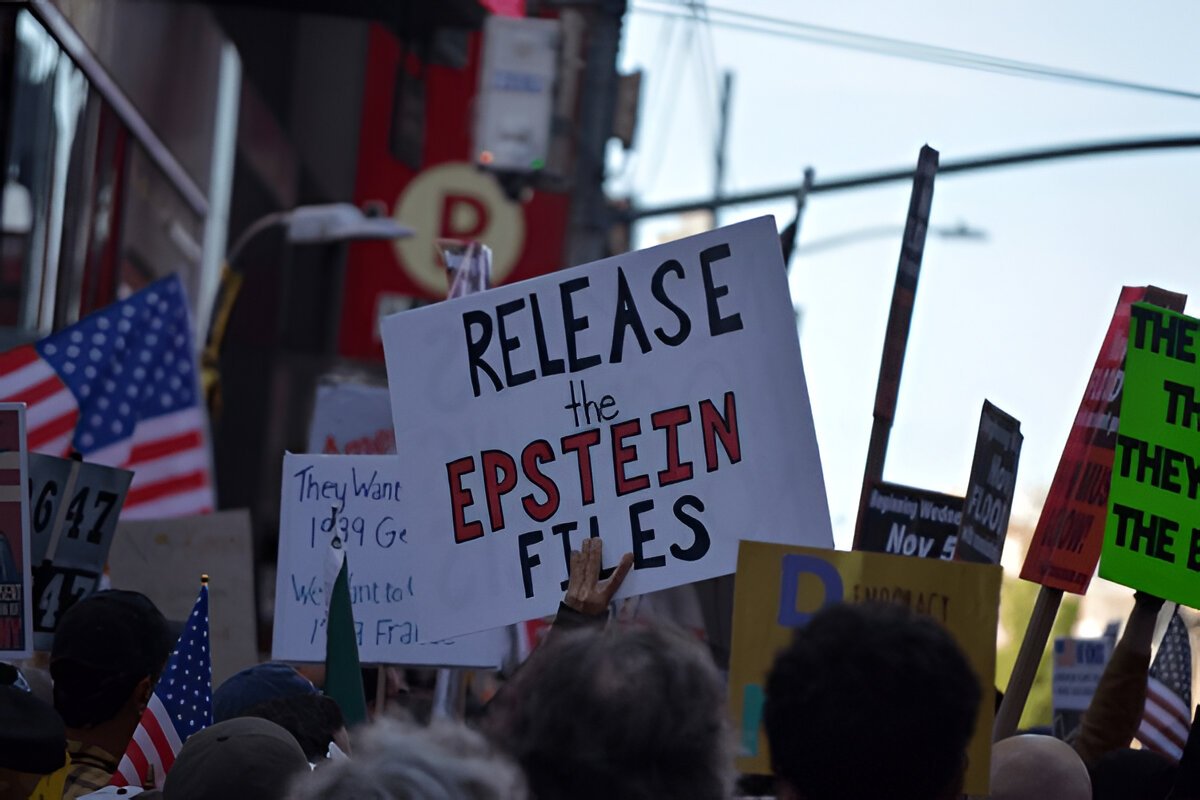
If you have been scrolling through the news lately, there is one story that keeps showing up again and again. The Epstein files release. Everyone is talking about it, everyone has questions, and honestly, the sheer size of what just got dropped is almost hard to wrap your head around. So let us break it all down for you in one place. No fluff, no filler. Just the facts you actually need to know.
Table of Contents
What Is the Epstein Files Release All About?
In short, the Epstein files release is the largest public disclosure of documents ever tied to the Jeffrey Epstein case. We are talking about millions of pages of records, thousands of videos, and hundreds of thousands of images. All of it connected to the late financier and convicted sex offender Jeffrey Epstein and his network of associates.
On January 30, 2026, the U.S. Department of Justice officially released over 3 million new pages of documents in one single drop. Combined with earlier releases, the total now sits at nearly 3.5 million pages. That is a staggering amount of material, and people are still going through it right now.
This is not just some routine government filing. The Epstein files release is giving the public a window into one of the most controversial and far reaching criminal cases in modern American history.
How Did We Get Here? The Story Behind the Epstein Files Release
To understand the Epstein files release, you need a little background on Jeffrey Epstein himself.
Epstein was a wealthy financier who built a social circle that included some of the most powerful people on the planet. Politicians, business moguls, celebrities, royals. He had connections everywhere. But behind that glamorous lifestyle, prosecutors say he ran a sex trafficking ring that targeted underage girls.
He was first convicted in 2008 in Florida on state level charges related to soliciting prostitution from a minor. He served 13 months in jail after a plea deal that was widely criticized as too lenient. Years later, in 2019, he was indicted again on federal sex trafficking charges in New York. Just one month after that indictment, he died in his jail cell. The official ruling was suicide, though that has been a source of debate ever since.
His associate Ghislaine Maxwell was later arrested and convicted in 2021 for sex trafficking. She is currently serving a 20 year prison sentence.
For years, victims and their advocates pushed hard for the government to release the full files connected to Epstein. The pressure only grew after Trump allies like Kash Patel and others publicly called for transparency while campaigning. The Epstein files release we see today is the direct result of all of that pressure finally turning into action.
What Does the Epstein Files Transparency Act Actually Say?
The reason the Epstein files release happened at all comes down to one piece of legislation: the Epstein Files Transparency Act.
On November 18, 2025, the U.S. House of Representatives voted 427 to 1 to pass the bill. The Senate approved it unanimously the very same day. President Trump signed it into law on November 19, 2025.
So what does the law actually require? It orders the Attorney General to make all unclassified records, documents, communications, and investigative materials related to Epstein publicly available. That includes everything from flight logs and travel records to internal DOJ communications, immunity deals, and even documents tied to Epstein’s death.
The law also specifically states that no record can be withheld simply because it is embarrassing or politically sensitive. The only real exceptions are to protect the identities of victims and to avoid compromising active investigations.
The DOJ was given 30 days from the signing to get this done. As you will find out in a moment, they did not exactly hit that deadline.
What Do the Files Actually Reveal? The Biggest Revelations So Far
This is the part everyone wants to know about. The Epstein files release has already surfaced some truly shocking material, and investigators are still digging through it.
One of the most significant finds is a draft 60 count indictment from the Southern District of Florida that was never actually filed. It suggests prosecutors were preparing to charge not just Epstein, but three other individuals who worked for him. The document alleges that these individuals helped convince underage girls to engage in sexual acts with Epstein between 2001 and 2005.
The files also include detailed FBI interview notes. Some of these interviews describe employees at Epstein’s Florida estate carrying out disturbing tasks on his behalf. The level of detail in these records paints a picture of how deeply Epstein’s operation was organized.
There are also documents surrounding Epstein’s death in 2019. One particularly notable detail involves jail staff using a decoy setup to move Epstein’s body without reporters noticing. Staff apparently used boxes and sheets to simulate a body and loaded it into one vehicle while the actual body was moved out quietly in another.
Another major find involves internal FBI records from August 2019, just days after Epstein died. These records list nine individuals as family members or associates of Epstein, with most of them labeled as co conspirators. This raised questions about whether the government ever seriously pursued charges against anyone beyond Epstein and Maxwell.
Who Is Mentioned in the Epstein Files Release?
The names showing up in the Epstein files release are making headlines all over the world. Here is a rundown of the biggest ones and what the documents actually show.
Donald Trump appears thousands of times throughout the files. Many of these references are news clippings or unsubstantiated tips submitted to the FBI. Previously released flight logs showed Trump traveled on Epstein’s private jet in the 1990s. Trump has acknowledged a past friendship with Epstein but says he had no knowledge of any criminal activity. The DOJ itself noted that some of the claims against Trump in the files are “untrue and sensationalist.”

Elon Musk is another name grabbing attention. Emails from 2012 show Musk asking Epstein about visiting his private island and even inquiring about which night would have the biggest party. Musk has said publicly that he declined repeated invitations and never actually visited the island.
Bill Clinton appears in several photos socializing with Epstein. A 2009 email from a New York publicist references Clinton being at an after party at Maxwell’s home. Epstein also invoked the Fifth Amendment repeatedly when asked about Clinton during a 2016 deposition.
Bill Gates is mentioned in draft emails saved in Epstein’s account from 2013. These drafts appear to reference personal and business dealings between the two men. A spokesperson for Gates called the accusations completely false.
Prince Andrew (Andrew Mountbatten-Windsor) appears hundreds of times in Epstein’s private emails. Documents show Epstein attempting to arrange social introductions for the former royal. Andrew previously settled a lawsuit filed by Epstein victim Virginia Giuffre for an undisclosed amount.
Howard Lutnick, now the U.S. Commerce Secretary, had plans documented in the files to visit Epstein’s island in December 2012, despite previously claiming he cut ties with Epstein around 2005.
Peter Mandelson, a senior British political figure, also appears in the files. The revelations led him to resign from the Labour Party on February 1, 2026, to avoid further embarrassment for the party.
Steve Bannon shows up in text message exchanges with Epstein, some of which reference Donald Trump in the period leading up to Epstein’s death.
It is worth noting that none of these individuals, other than Maxwell, have been charged with any crime based on what has come out so far.
Why Did the Epstein Files Release Take So Long?
Even though the Epstein Files Transparency Act gave the DOJ 30 days to release everything, the actual Epstein files release rolled out in stages and drew serious criticism along the way.
The first batch came out on December 19, 2025, which was the deadline set by Congress. But it was heavily redacted. Over 500 pages were completely blacked out. Sixteen files actually disappeared from the government website within hours of being posted, and nobody gave a clear explanation for why.
Critics from both parties called the initial release a slap in the face. By early January 2026, less than 1 percent of the total files had actually been made public, according to a DOJ letter to a federal judge.
The DOJ said the delay came down to the sheer volume of material. Over 500 attorneys and reviewers were brought in to go through the records. A big chunk of their work involved redacting information to protect the identities of Epstein’s victims. Some redactions were also made to avoid jeopardizing ongoing investigations.
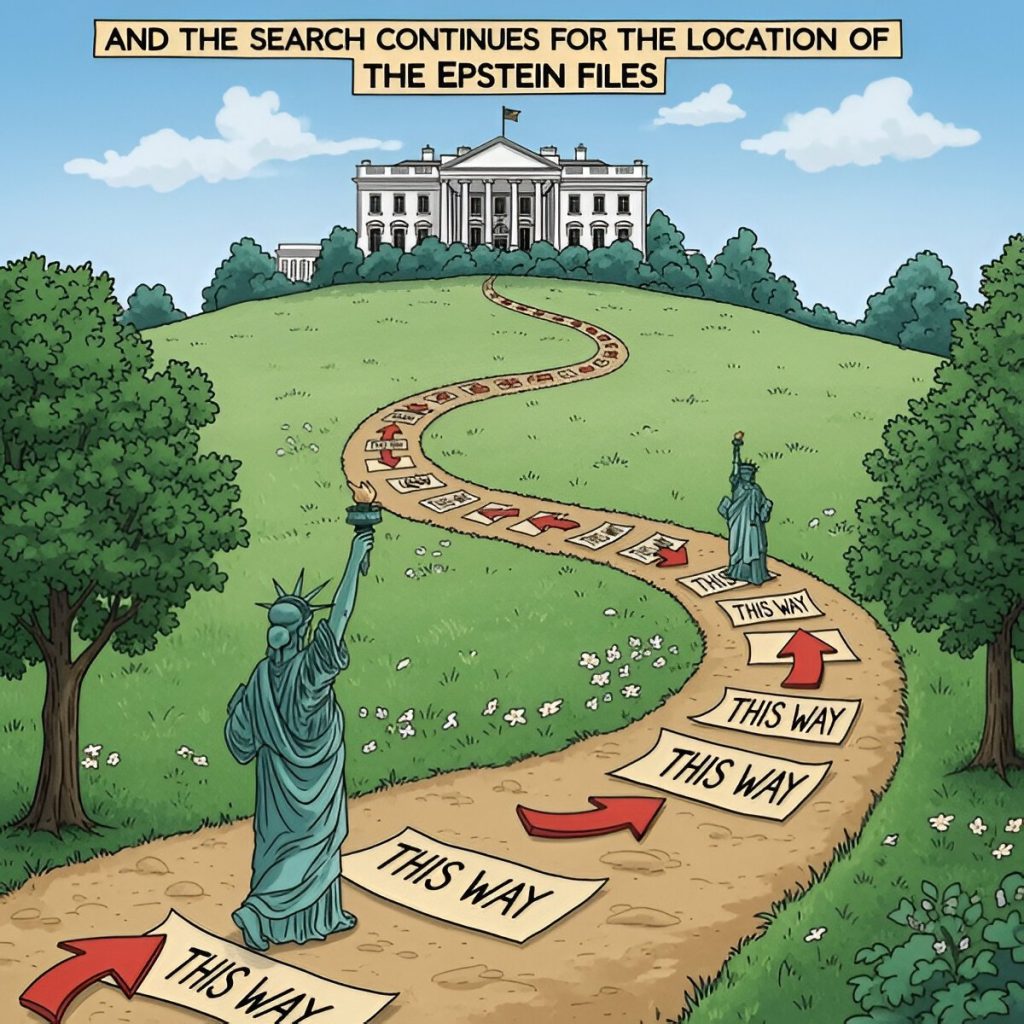
But not everyone bought that explanation. Several lawmakers pointed out that the DOJ had identified over 6 million pages as potentially relevant, yet only released about 3.5 million. That left a lot of questions on the table.
What Are People Saying About the Epstein Files Release?
The reaction to the Epstein files release has been loud and it has come from all sides.
Democratic Representative Ro Khanna, who co sponsored the Transparency Act, publicly questioned why so much material is still being withheld. Senate Minority Leader Chuck Schumer demanded clear answers on whether every document related to Trump has been released.
Republican Representative Thomas Massie, who led the push for the bill, responded to the DOJ’s phased release by pointing directly to the law’s 30 day requirement. He suggested that Attorney General Pam Bondi could even face obstruction of justice charges for the delay.
On the other side, Deputy Attorney General Todd Blanche stepped up to defend the DOJ’s handling. He said the department did not protect any powerful individuals and that everything withheld falls under the exceptions allowed by the law.
Epstein survivors have also weighed in. Many of them have expressed frustration, saying the redactions go too far. Some have actually found their own names left unredacted in the documents, which raises its own set of serious concerns about how carefully the files were reviewed before being released.
What Happens Next?
The big question now is whether this is truly the end of the Epstein files release or just another chapter.
The DOJ has said its obligations under the Transparency Act are now complete. But lawmakers and legal experts are not so sure. With over 2.5 million pages still unaccounted for, there is a real possibility that Congress will push back and demand more.
Blanche also announced that members of Congress can schedule appointments to review unredacted versions of the files. That process is still ongoing, and whatever lawmakers find in those sessions could shape the next round of public disclosures.
There is also the question of whether any new criminal charges will come out of all of this. Deputy AG Blanche has suggested that is unlikely, saying the DOJ already reviewed the files and found nothing that would allow them to prosecute anyone new. But with millions of pages still being sifted through by journalists and investigators around the world, that could change.
Frequently Asked Questions About the Epstein Files Release
When did the Epstein files release happen? The files have been released in stages. The first batch dropped on December 19, 2025, and the largest release of over 3 million pages came on January 30, 2026.
How many documents are in the Epstein files release? Nearly 3.5 million pages in total, along with over 2,000 videos and 180,000 images.
Who signed the law that forced the Epstein files release? President Donald Trump signed the Epstein Files Transparency Act into law on November 19, 2025, after Congress passed it with overwhelming bipartisan support.
Has anyone been arrested because of the Epstein files release? No. As of now, Ghislaine Maxwell remains the only person other than Epstein to have been charged and convicted. The DOJ has indicated that new charges are unlikely based on their review.
Where can I read the Epstein files? The files are available on the Department of Justice’s official Epstein Library website at justice.gov/epstein.
Is the Epstein files release over? The DOJ says it has met its legal obligations, but lawmakers are pushing back and questioning whether all relevant documents have been released. More could still come.
Final Thoughts
The Epstein files release is one of the most significant transparency events in recent American history. For decades, the details of what Epstein did and who knew about it stayed buried. Now, for the first time, the public is getting a real look at the evidence.
There is still a long road ahead. Journalists, investigators, and lawmakers are going to be picking through these documents for months. New revelations will keep coming. And the political fallout from what is already in these files is far from over.
What is clear is that the Epstein files release has changed the conversation. People want answers, and right now, the documents are finally starting to give them.