

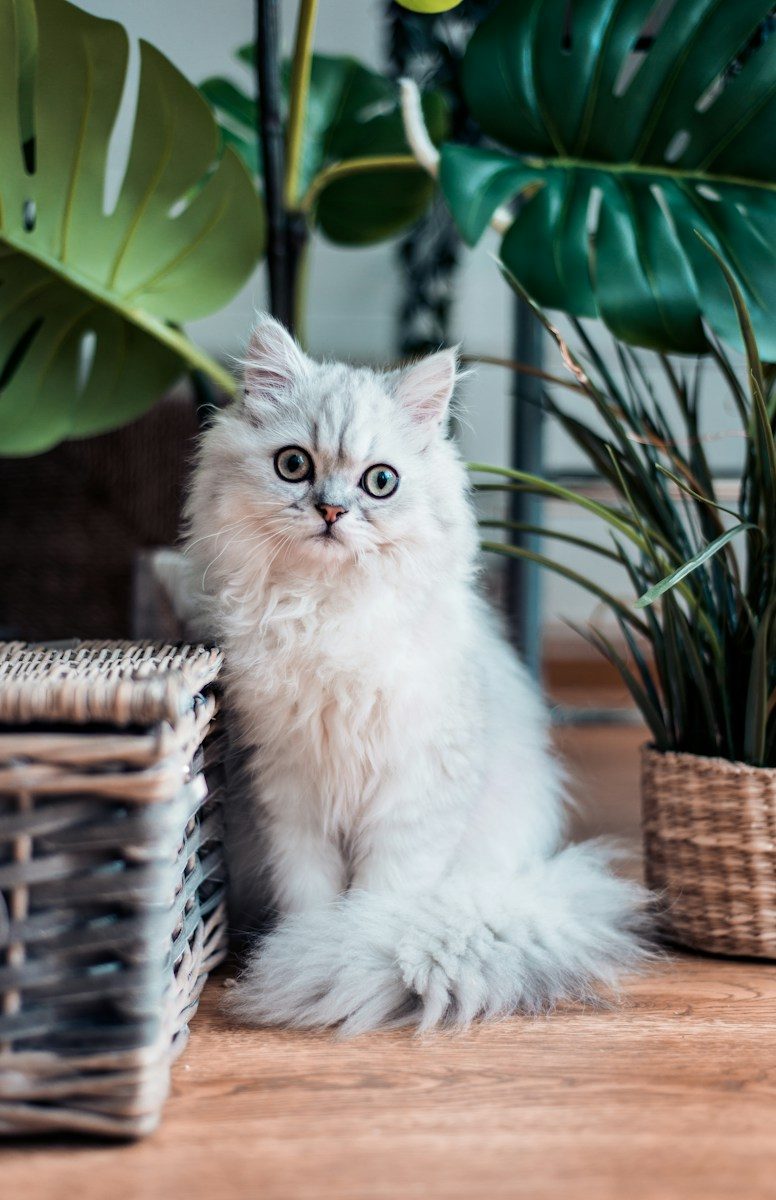
Quick answer: Yes, monstera is toxic to cats. The ASPCA lists Monstera deliciosa (also called Swiss cheese plant, split-leaf philodendron or Mexican breadfruit) as toxic to cats and dogs because it contains insoluble calcium oxalate crystals. Biting the leaves or stems causes intense burning in the mouth, heavy drooling, vomiting and difficulty swallowing. Serious poisoning is rare, but if your cat chews a monstera, call your vet or a pet poison hotline, and go to an emergency vet if your cat has any trouble breathing.
Few houseplants make a statement like a monstera. Its huge, glossy leaves with dramatic splits and holes have made it the defining plant of modern and boho interiors. Unfortunately, those big leaves at cat height are hard for many cats to resist, whether they’re batting at a new leaf unfurling or taking a bite out of the edge.
This guide covers why monstera is harmful to cats, which types are affected, the symptoms to watch for, what to do if your cat chews one, how to keep a monstera safely in a cat household and the best cat-safe plants for the same jungle look.
In this guide: Why monstera is toxic · Which types · Symptoms · How serious is it? · My cat ate monstera · Keeping both · Cat-safe alternatives · FAQ
Why Is Monstera Toxic to Cats?
Monstera belongs to the arum family (Araceae), the same plant family as pothos, philodendron and peace lilies. These plants defend themselves with microscopic, needle-shaped crystals of calcium oxalate, stored in special cells throughout the leaves and stems.
When a cat bites into a monstera, those cells burst and drive the crystals into the soft tissue of the mouth. The result is immediate, sharp pain on the lips, tongue and gums. Because the crystals are insoluble, they mostly cause irritation where they touch rather than being absorbed and damaging organs, and the pain usually stops a cat from eating much.
Every part of the plant contains the crystals: leaves, stems, aerial roots and unripe fruit. Monstera deliciosa is named for its fruit, which people eat once it is fully ripe, but the unripe fruit is very irritating, and no part of the plant is a safe treat for a cat.
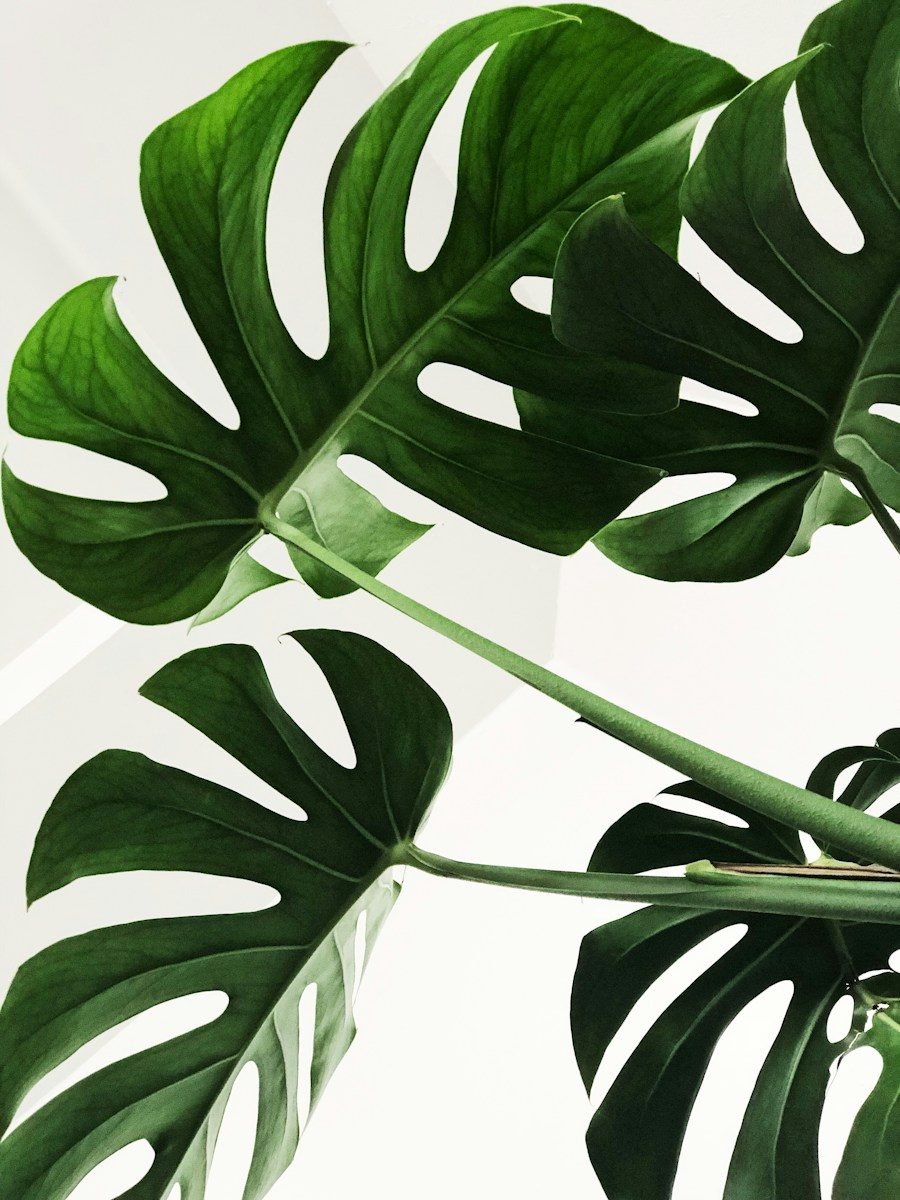
Are All Types of Monstera Toxic to Cats?
Yes. Treat every monstera, and every plant sold as one, as toxic to cats:
- Monstera deliciosa, including variegated forms like ‘Thai Constellation’ and ‘Albo Variegata’. These are the classic Swiss cheese plants, listed by the ASPCA as toxic.
- Monstera adansonii, the smaller “Swiss cheese vine” with oval holes. It is in the same genus and contains the same kind of crystals.
- “Mini monstera” (Rhaphidophora tetrasperma). Not a true monstera, but a close aroid relative, so treat it as toxic too.
- Split-leaf philodendrons such as Thaumatophyllum (formerly Philodendron) ‘Selloum’ and other philodendrons, which are often confused with monstera. The ASPCA lists philodendrons as toxic to cats.
Symptoms of Monstera Poisoning in Cats
Symptoms usually start within minutes of chewing, because the crystals act on contact. The ASPCA lists oral irritation, intense burning of the mouth, tongue and lips, excessive drooling, vomiting and difficulty swallowing. Watch for:
- Sudden heavy drooling or foaming at the mouth
- Pawing at the mouth, head shaking or rubbing the face
- Vomiting or gagging
- Difficulty swallowing and refusing food or water
- Red or swollen lips, tongue or gums
- Crying, hiding or other signs of pain
- Noisy or difficult breathing, which is rare but an emergency
Check the plant too. Fresh bite marks, torn leaf edges or chewed new leaves are a good sign your cat has been nibbling, even if you didn’t see it happen.
How Dangerous Is Monstera for Cats?
For most cats, monstera poisoning is painful but mild to moderate. The burning taste means cats rarely swallow much, and symptoms usually ease within hours with simple supportive care. The rare serious risk is swelling of the mouth or throat severe enough to affect breathing, which is more likely in kittens, small cats or a cat that has chewed a lot of the plant.
Monstera is far less dangerous than true lilies (Lilium and Hemerocallis), which can cause kidney failure in cats even in tiny amounts. If you’re not sure which plant your cat chewed, treat it as an emergency.
What to Do If Your Cat Ate Monstera
- Move your cat away from the plant and gently remove any leaf pieces from its mouth if you can do so safely.
- Check the breathing. Struggling to breathe, wheezing or a swelling face means an immediate trip to an emergency vet.
- Offer water or a little wet food to help rinse the crystals out of the mouth. Don’t force it.
- Call for advice. Ring your vet, the ASPCA Animal Poison Control Center at (888) 426-4435 or Pet Poison Helpline at (855) 764-7661 (US; a consultation fee may apply).
- Don’t make your cat vomit or try home remedies unless a vet tells you to.
- Take a photo of the plant so the vet knows exactly what your cat chewed.
At the clinic, treatment is usually supportive: rinsing the mouth, anti-nausea medication, pain relief and sometimes anti-inflammatories or fluids. Most cats are back to normal within a day.
Can You Keep a Monstera If You Have a Cat?
Monsteras are big floor plants, so you can’t simply put one on a high shelf. If your cat is a determined plant chewer, or you have a kitten, the safest option is to rehome the monstera or swap it for a cat-safe plant. Otherwise, these steps reduce the risk:
- Keep it in a room your cat can’t enter. A home office or spare bedroom with the door kept closed is the most reliable option.
- Train it up a moss pole. Mature monsteras grow tall when supported, which lifts most of the leaves above cat height. See our indoor plant trellis ideas for support options.
- Remove low leaves and fallen leaves. Prune off any leaves that hang at cat height, and pick up anything that drops.
- Cover the soil. Large pebbles or a soil cover stop cats from digging in or using the pot as a litter box, which brings them close to the stems.
- Keep it away from jumping spots like sofa arms, windowsills and cat trees.
- Offer cat grass as a safer, more tempting thing to chew.
If you want the monstera look with no risk at all, a good-quality faux monstera is a realistic option, and it never needs repotting.
Cat-Safe Alternatives to Monstera
These plants are listed as non-toxic to cats by the ASPCA and give a similar bold, tropical feel. Non-toxic doesn’t mean edible, so a cat that eats a lot of any plant may still get a mild upset stomach.
| Plant | Why it works instead of monstera | Care |
|---|---|---|
| Areca palm (Dypsis lutescens) | Tall, feathery fronds that fill a corner like a mature monstera | Bright indirect light; keep lightly moist |
| Money tree (Pachira aquatica) | Braided trunk and big, glossy hand-shaped leaves | Easy; bright indirect light |
| Banana plant (Musa) | Huge paddle-shaped leaves for a true jungle look | Needs lots of light and water |
| Calathea (Calathea spp.) | Large patterned leaves, including the rattlesnake plant | Moderate; likes humidity and filtered water |
| Parlor palm (Chamaedorea elegans) | Lush, leafy floor plant that tolerates lower light | Easy; low to medium light |
Some popular plants often suggested in place of monstera are also toxic to cats, including philodendron, pothos, peace lilies and snake plants. Always check a plant against the ASPCA list before you buy.
Monstera and Cats: FAQ
Can monstera kill a cat?
It is very unlikely. Monstera causes painful mouth irritation, drooling and vomiting, and most cats recover fully with supportive care. The rare serious risk is throat swelling that affects breathing, which needs emergency treatment.
How long after eating monstera will a cat show symptoms?
Usually within minutes. Drooling and pawing at the mouth are typically the first signs.
Is it safe to have a monstera in the house with a cat?
Having one isn’t dangerous in itself; the risk comes from chewing. Sniffing or brushing past the leaves isn’t considered harmful. If your cat ignores the plant or can’t reach it, it’s safe to keep.
Is Monstera adansonii toxic to cats?
Yes. It’s in the same genus as Monstera deliciosa and contains the same irritating calcium oxalate crystals.
Why does my cat keep biting my monstera?
Large leaves that move in a draft look like toys, and new leaves are soft and tempting. Many cats also just like chewing greenery. Moving the plant, more playtime and a pot of cat grass usually break the habit.
Is monstera toxic to dogs?
Yes. The ASPCA lists it as toxic to dogs with the same symptoms. Read about another common houseplant in are snake plants toxic to dogs?
The Bottom Line
Monstera is toxic to cats. Its calcium oxalate crystals cause instant mouth pain, drooling and vomiting, although serious poisoning is rare. If your cat chews one, rinse its mouth with water or food, watch its breathing and call your vet or a pet poison hotline. To keep a monstera safely, grow it in a cat-free room or train it tall on a moss pole, or choose a cat-safe tropical plant like an areca palm or money tree instead.
Sources: ASPCA Animal Poison Control: Cutleaf Philodendron (Monstera deliciosa); ASPCA: Split-leaf Philodendron; ASPCA plant pages for areca palm, money tree, banana, calathea and parlor palm. This article is for general information and is not a substitute for veterinary advice. If you think your pet has been poisoned, contact your vet or an animal poison control service straight away. See our disclaimer.