

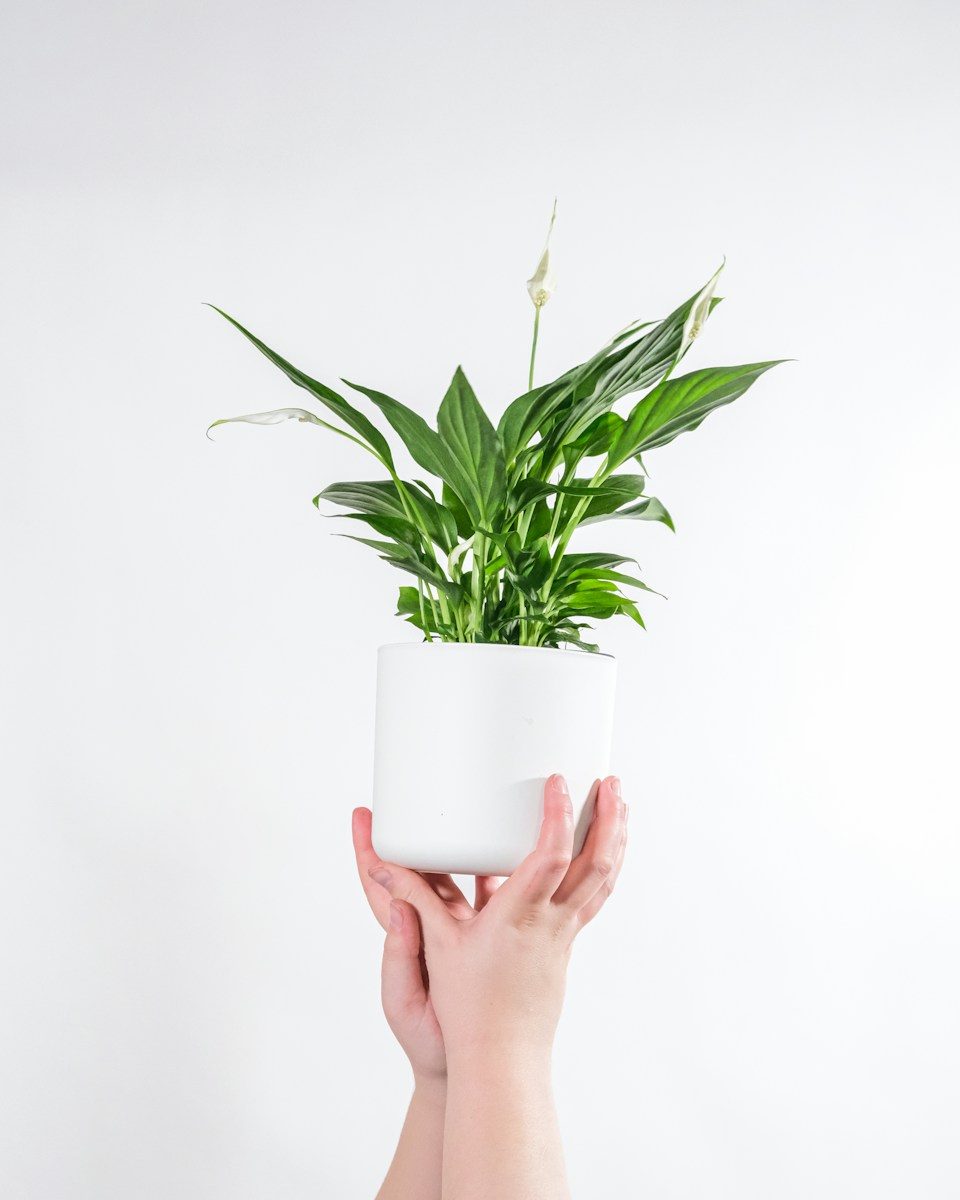
Quick answer: Yes, peace lilies are toxic to cats, but they are not true lilies and are far less dangerous than Easter, tiger or day lilies. The ASPCA lists the peace lily (Spathiphyllum) as toxic to cats and dogs because it contains insoluble calcium oxalate crystals. Chewing it causes burning in the mouth, heavy drooling, vomiting and difficulty swallowing. It does not cause the kidney failure that true lilies do, but call your vet or a pet poison hotline if your cat has eaten any, and treat any doubt about the plant’s identity as an emergency.
Peace lilies are a favourite low-light houseplant: glossy dark leaves, elegant white flowers and a habit of drooping dramatically to tell you when they need water. They’re also one of the most common plants given as gifts, which means plenty of cat owners end up with one without ever checking whether it’s safe.
The name causes a lot of confusion. Because “lily” is in the name, many owners panic, while others assume it can’t be that bad. This guide clears it up: why peace lilies are toxic, how they differ from deadly true lilies, the symptoms, what to do, and the best cat-safe plants with a similar look.
In this guide: Not a true lily · Why it’s toxic · Symptoms · How serious is it? · My cat ate a peace lily · Keeping both · Cat-safe alternatives · FAQ
Peace Lily vs. True Lily: Why the Difference Matters
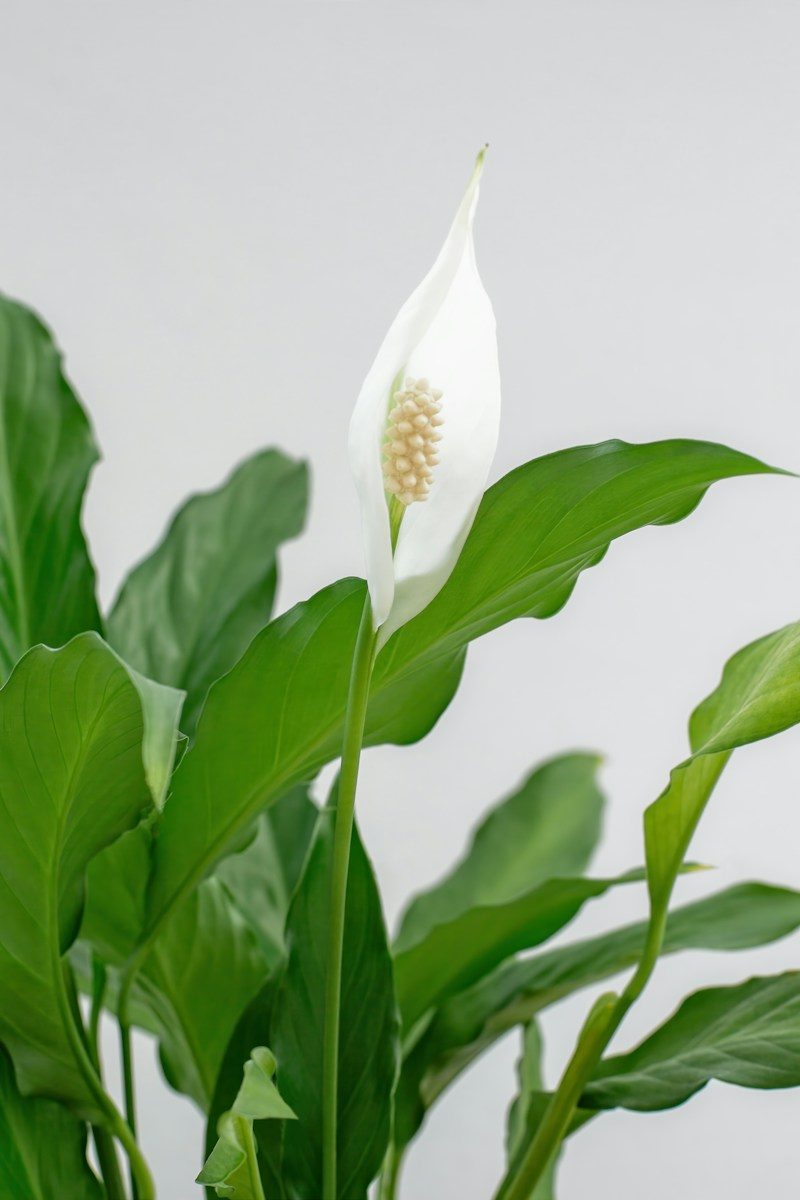
Despite the name, the peace lily isn’t a lily at all. It belongs to the arum family (Araceae), along with pothos, philodendron and monstera. Its white “flower” is actually a leaf-like hood called a spathe wrapped around a spike of tiny flowers.
True lilies belong to the genus Lilium (Easter, tiger, Asiatic, Oriental and stargazer lilies), and daylilies to Hemerocallis. These are among the most dangerous plants for cats. Pet Poison Helpline warns that any amount of leaf, stem, flower, pollen or even vase water from a true lily can cause acute kidney failure in cats.
| Peace lily (Spathiphyllum) | True lily (Lilium) and daylily (Hemerocallis) | |
|---|---|---|
| Plant family | Arum family (Araceae) | Lily family (Liliaceae) / daylily family |
| Toxin | Insoluble calcium oxalate crystals | Unknown toxin |
| Main effect | Mouth pain, drooling, vomiting | Acute kidney failure |
| Typical severity | Mild to moderate | Life-threatening |
| What to do | Call your vet or a poison hotline | Go to a vet immediately, even if your cat seems fine |
Not sure which lily it is? Bouquets and gift plants are often mislabelled, and cut-flower arrangements frequently contain true lilies. If you can’t be certain your cat chewed a peace lily, treat it as a true lily emergency and see a vet straight away. Kidney damage from true lilies is treatable only if care starts early.
Why Are Peace Lilies Toxic to Cats?
Like other aroids, peace lilies store microscopic, needle-shaped crystals of calcium oxalate in their leaves, stems and flowers. When a cat bites the plant, the cells holding the crystals burst and push them into the soft tissue of the lips, tongue and mouth, causing instant burning and irritation.
Because these crystals are insoluble, they mostly cause pain where they touch rather than being absorbed and damaging organs. The pain also works as a warning, so most cats stop after one bite. Every part of the plant contains the crystals, including the white spathes, so fallen flowers and leaves are just as much of a problem as the living plant.
Symptoms of Peace Lily Poisoning in Cats
Symptoms usually start within minutes, because the crystals act on contact. The ASPCA lists oral irritation, intense burning of the mouth, tongue and lips, excessive drooling, vomiting and difficulty swallowing. Watch for:
- Sudden heavy drooling or foaming at the mouth
- Pawing at the mouth, head shaking or rubbing the face
- Vomiting or gagging
- Difficulty swallowing and refusing food
- Red or swollen lips, tongue or gums
- Crying, hiding or other signs of pain
- Noisy or difficult breathing, which is rare but needs emergency care
Signs that point to a true lily instead include vomiting followed hours later by lethargy, loss of appetite, and drinking and urinating much more or much less than usual. If you see these, or if pollen is on your cat’s face or fur, go to a vet immediately.
How Dangerous Are Peace Lilies for Cats?
For most cats, peace lily poisoning is painful but mild to moderate, and they recover within a day with simple supportive care. The burning taste usually stops a cat from eating much. The main rare risk is swelling of the mouth or throat severe enough to affect breathing, which is more likely in kittens or a cat that has chewed a lot of the plant.
What to Do If Your Cat Ate a Peace Lily
- Confirm the plant. Check the plant label or compare it with photos. If there’s any chance it was a true lily or daylily, go to a vet now.
- Remove any plant pieces from your cat’s mouth if you can do so safely, and move your cat away from the plant.
- Check the breathing. Struggling to breathe, wheezing or a swelling face means an emergency vet visit.
- Offer water or a little wet food to help rinse the crystals from the mouth. Don’t force it.
- Call for advice. Ring your vet, the ASPCA Animal Poison Control Center at (888) 426-4435 or Pet Poison Helpline at (855) 764-7661 (US; a consultation fee may apply).
- Don’t make your cat vomit or try home remedies unless a vet tells you to.
A vet will usually rinse the mouth and may give anti-nausea medication, pain relief or anti-inflammatories. Most cats are back to normal within 24 hours.
Can You Keep a Peace Lily With a Cat?
Peace lilies are bushy floor or tabletop plants, so they’re easier for a cat to reach than a hanging plant. If your cat chews plants, or you have a kitten, the safest choice is a cat-safe alternative. Otherwise:
- Keep it in a room your cat can’t enter, such as a home office or a bathroom with the door kept shut. Peace lilies enjoy bathroom humidity.
- Remove spent flowers and yellow leaves promptly, before they drop to the floor.
- Don’t leave it on low tables or windowsills where your cat likes to sit.
- Offer cat grass as a safe, more tempting thing to chew.
- Check gift bouquets before bringing them home, and keep any arrangement with true lilies out of the house entirely.
Cat-Safe Alternatives to Peace Lilies
These plants are listed as non-toxic to cats by the ASPCA and offer the same shade tolerance, lush leaves or white blooms. Non-toxic doesn’t mean edible, so a cat that eats a lot of any plant may still have a mild upset stomach.
| Plant | Why it works instead of a peace lily | Care |
|---|---|---|
| Moth orchid (Phalaenopsis) | Elegant white (or coloured) flowers that last for months | Bright indirect light; water when roots turn silvery |
| Cast iron plant (Aspidistra elatior) | Dark, glossy leaves that thrive in low light, just like a peace lily | Very easy; tolerates neglect |
| Parlor palm (Chamaedorea elegans) | Soft, leafy floor plant for shady rooms | Easy; low to medium light |
| Calathea / prayer plant | Bold patterned leaves for a lush look | Moderate; likes humidity and filtered water |
| African violet (Saintpaulia) | Compact flowering plant, including white varieties | Easy; bright indirect light, water from below |
Avoid other popular plants that are toxic to cats, including pothos, snake plants, monstera, anthurium and calla lilies (another arum, also listed as toxic by the ASPCA).
Peace Lilies and Cats: FAQ
Can a peace lily kill a cat?
It is very unlikely. Peace lilies cause painful mouth irritation, drooling and vomiting, and cats usually recover fully. Unlike true lilies, they don’t cause kidney failure. The rare serious risk is throat swelling that affects breathing.
Is peace lily pollen toxic to cats?
Peace lily pollen isn’t known to cause the kidney damage that true lily pollen does. The risk comes from chewing the plant itself. Still, wipe any pollen off your cat’s fur so it doesn’t lick it off, and make sure the plant really is a peace lily.
How long after eating a peace lily will a cat show symptoms?
Usually within minutes. Drooling and pawing at the mouth are typically the first signs.
Is it safe to have a peace lily in the house with a cat?
Having one isn’t dangerous in itself; the problem is chewing. If your cat can’t reach it, for example in a closed room, it’s safe to keep. Sniffing or brushing past the leaves isn’t considered harmful.
Are peace lilies toxic to dogs?
Yes. The ASPCA lists them as toxic to dogs with the same symptoms. For another common houseplant, see are snake plants toxic to dogs?
Which lilies are most dangerous to cats?
True lilies (Lilium), including Easter, tiger, Asiatic, Oriental and stargazer lilies, and daylilies (Hemerocallis). Even a small amount can cause kidney failure, so keep them out of any home with cats.
The Bottom Line
Peace lilies are toxic to cats, but they aren’t true lilies. Their calcium oxalate crystals cause mouth pain, drooling and vomiting, not kidney failure, and most cats recover quickly. If your cat chews one, rinse its mouth, watch its breathing and call your vet or a poison hotline. If you’re not completely sure the plant is a peace lily, treat it as an emergency. For worry-free greenery, try a moth orchid, cast iron plant or parlor palm instead.
Sources: ASPCA Animal Poison Control: Peace Lily; ASPCA: Lily; Pet Poison Helpline: Lilies; ASPCA plant pages for calla lily, moth orchid, cast iron plant, parlor palm, calathea and African violet. This article is for general information and is not a substitute for veterinary advice. If you think your pet has been poisoned, contact your vet or an animal poison control service straight away. See our disclaimer.