

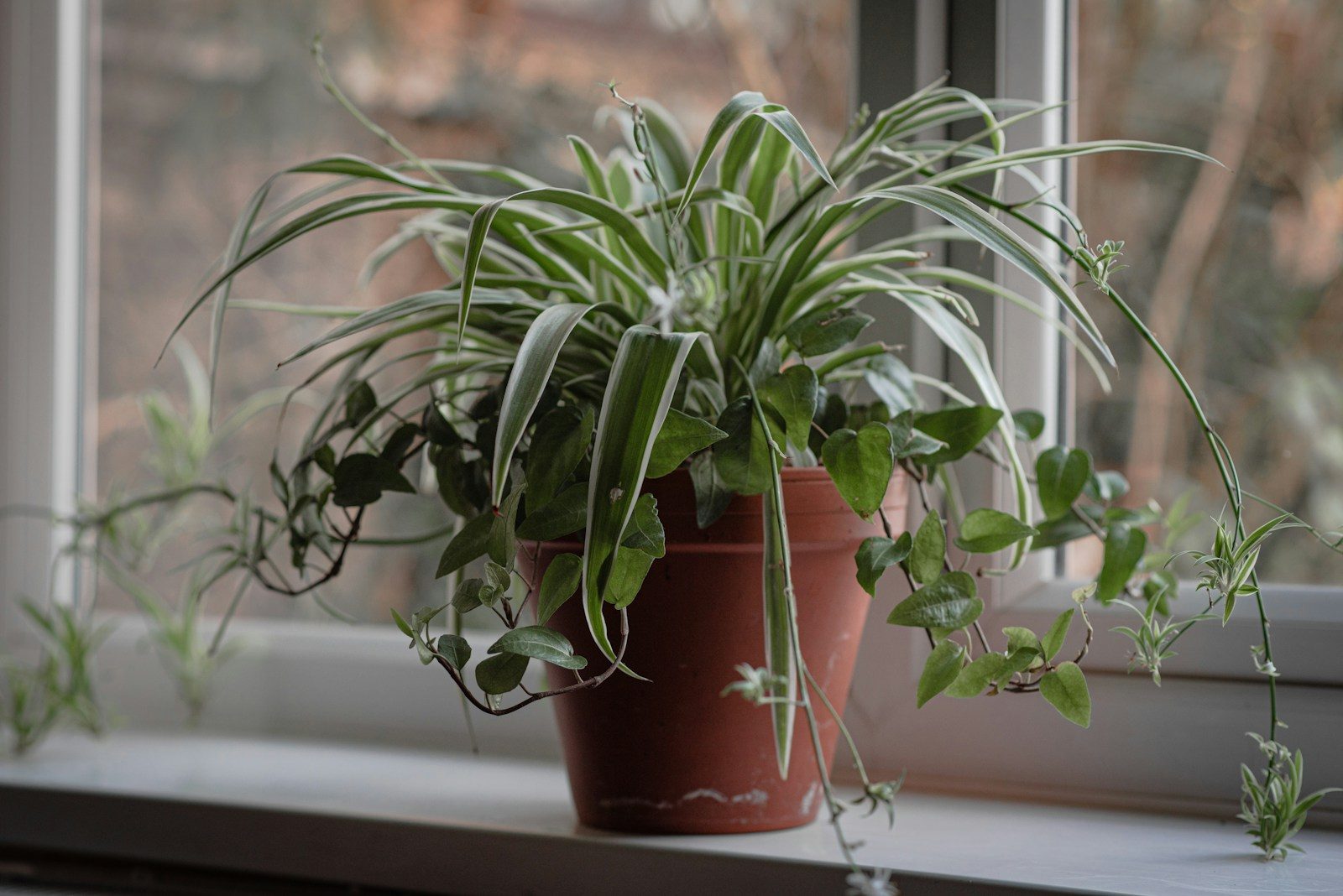
Quick answer: Yes, spider plants are safe for cats. The ASPCA lists the spider plant (Chlorophytum comosum, also called ribbon plant or spider ivy) as non-toxic to cats and dogs. That makes it one of the best houseplants for cat owners. The catch is that many cats love chewing spider plants, and eating a lot of any plant can cause mild vomiting or an upset stomach. So it’s safe to keep, but it’s still worth stopping your cat from treating it as a salad bar.
Spider plants are a classic for good reason. They’re almost impossible to kill, they clean up a dull corner with arching striped leaves, and they produce dangling baby “spiderettes” that look great in a hanging basket. They’re also one of the few truly popular houseplants that are safe for cats.
If you have a cat and a spider plant, though, you’ve probably noticed a problem: cats seem obsessed with them. This guide explains why spider plants are safe, why cats are drawn to them, what happens if your cat eats one, and how to keep both your cat and your plant happy.
In this guide: Are they really safe? · Why cats love spider plants · If your cat eats a spider plant · Protecting your plant · Toxic lookalikes · Care tips for cat homes · FAQ
Are Spider Plants Really Safe for Cats?
Yes. The ASPCA Animal Poison Control Center, the most widely used reference for pet owners in the US, lists the spider plant as non-toxic to both cats and dogs. It doesn’t contain the compounds that make other popular houseplants dangerous, such as the calcium oxalate crystals in pothos and peace lilies, or the saponins in snake plants.
“Non-toxic” has a specific meaning, though. It means the plant isn’t poisonous, not that it’s food. Cats are carnivores, and their stomachs aren’t built to digest a lot of plant material. A cat that eats a large amount of spider plant may still vomit or have soft stools, just as it might after eating too much grass.
Every common variety is covered, including the green-and-white ‘Vittatum’ and ‘Variegatum’, the curly ‘Bonnie’ and the solid green spider plant. They’re all Chlorophytum comosum.
Why Do Cats Love Spider Plants?
Ask any cat owner and they’ll tell you their spider plant has bite marks. There are a few likely reasons:
- They look and feel like grass. The long, thin, slightly crunchy leaves are very similar to the grass many cats instinctively chew.
- They move. Arching leaves and dangling plantlets sway with every draft, which triggers a cat’s urge to bat and pounce.
- Boredom. Indoor cats with little to do often turn to plants for entertainment.
- The scent and taste. You’ll often read that spider plants have a mild “catnip-like” or even hallucinogenic effect on cats. There’s no solid research to confirm that, but many owners do report that their cats seem unusually excited by the plant.
Whatever the reason, the attraction is real. The plant won’t poison your cat, but your cat can certainly destroy the plant.
What Happens If a Cat Eats a Spider Plant?
Usually nothing at all. If your cat eats a lot, you might see:
- Vomiting, often with bits of leaf, shortly after chewing
- Soft stools or mild diarrhea
- A brief loss of appetite
These signs should pass quickly. Offer fresh water and keep an eye on your cat. Call your vet if vomiting continues for more than a day, your cat stops eating, seems lethargic, or you’re not sure the plant was really a spider plant. You can also contact the ASPCA Animal Poison Control Center at (888) 426-4435 or Pet Poison Helpline at (855) 764-7661 (US; a consultation fee may apply).
One thing can make a “safe” plant less safe: pesticides, leaf-shine products or fertilizer on the leaves or in the soil. Rinse new plants, avoid chemical sprays and keep fertilizer out of reach.
How to Stop Your Cat Eating Your Spider Plant
Because spider plants aren’t toxic, you don’t need to banish them. You just need to make the plant less tempting and give your cat a better option:
- Hang it up. A ceiling hook away from shelves and furniture is the classic solution. Trim any plantlets that dangle within jumping reach.
- Grow cat grass. A pot of wheat or oat grass on the floor gives your cat something it’s allowed to chew, and many cats will choose it over the spider plant.
- Use the babies. Pot up a few spiderettes as a “sacrificial” spider plant your cat can nibble, and keep the main plant out of reach.
- Play more. Two short wand-toy sessions a day can take the edge off plant-chewing boredom.
- Cover the soil with large pebbles if your cat digs in the pot.
- Try a safe deterrent. Citrus peel around the pot works for some cats. Avoid essential oil sprays, which can be harmful to cats (see our guide on lavender and cats).
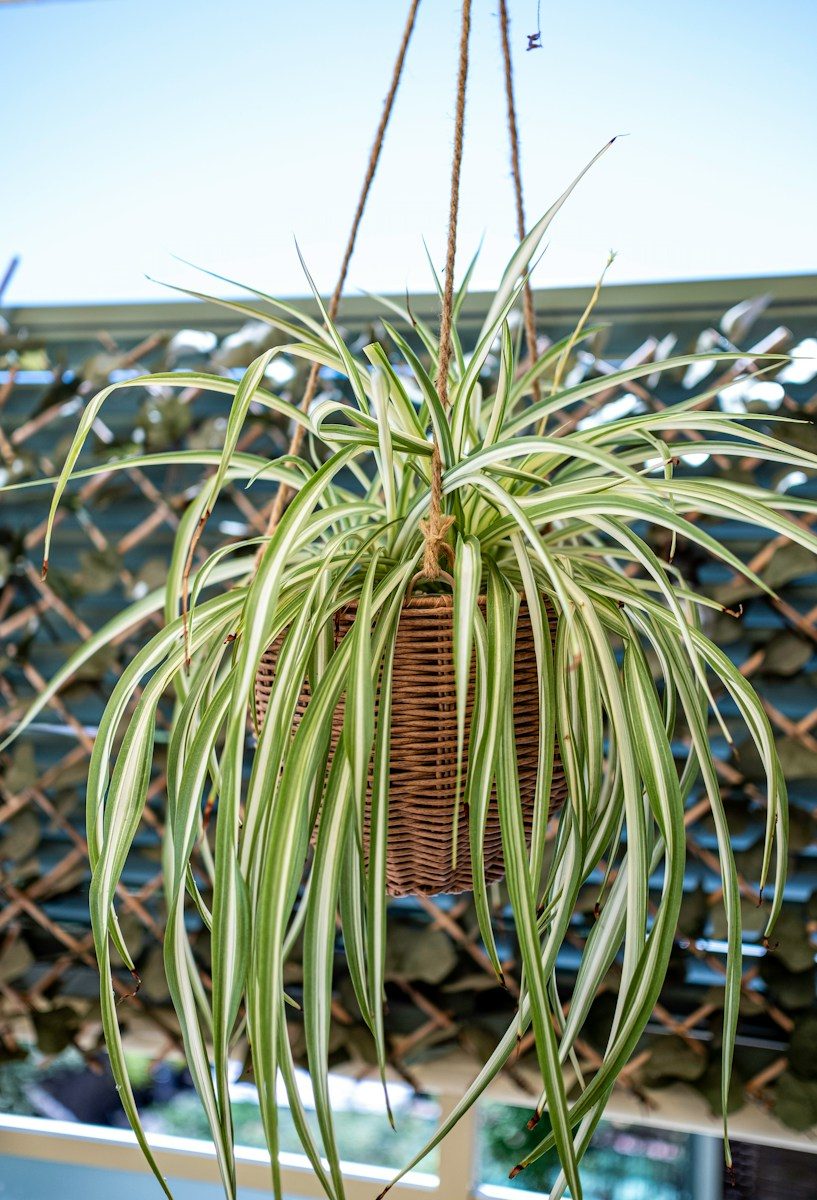
For more hanging ideas, see our guide to decorating with hanging plants.
Watch Out for Toxic Lookalikes
Several plants with long, strappy or striped leaves are sometimes confused with spider plants but are toxic to cats. Check the label before you buy:
| Plant | Why it gets confused | Toxic to cats? |
|---|---|---|
| Dracaena (e.g. ‘Janet Craig’, ‘Marginata’) | Long, strappy, sometimes striped leaves | Yes (ASPCA): vomiting, drooling, dilated pupils |
| Snake plant | Striped, upright leaves; sold next to spider plants | Yes (ASPCA): nausea, vomiting, diarrhea |
| Lilies and daylilies | Long grassy leaves before they flower | Yes, and extremely dangerous: kidney failure |
| Aloe vera | Sold as an “easy, safe” beginner plant | Yes (ASPCA): vomiting, lethargy, diarrhea |
Daylily leaves in particular look a lot like a large spider plant. If a “spider plant” ever produces big trumpet-shaped flowers, it isn’t one, and you should keep it well away from your cat.
Spider Plant Care Tips for Cat Homes
- Light: bright, indirect light keeps the stripes strong. It tolerates lower light but grows more slowly.
- Water: let the top inch of soil dry out, then water well. Brown tips are often caused by fluoride and salts in tap water, so try filtered or rain water.
- Feeding: a light liquid feed in spring and summer is plenty. Store fertilizer where your cat can’t reach it.
- Chewed leaves: cut damaged leaves off at the base. The plant regrows quickly.
- Propagation: root the spiderettes in water or soil. They make great gifts for other cat owners.
Spider Plants and Cats: FAQ
Are spider plants safe for cats and dogs?
Yes. The ASPCA lists spider plants as non-toxic to both cats and dogs. Large amounts can still cause a mild stomach upset.
Are spider plants hallucinogenic to cats?
It’s a popular claim, but there’s no good research showing that spider plants have a hallucinogenic effect on cats. Cats may simply enjoy the texture, movement and smell. Either way, the plant isn’t toxic.
Why does my cat throw up after eating my spider plant?
Cats can’t digest much plant fibre, so eating a lot of leaves can make them vomit, just like eating grass. It’s not a sign of poisoning, but if vomiting is frequent or lasts more than a day, see your vet.
Are variegated and curly spider plants safe for cats?
Yes. ‘Vittatum’, ‘Variegatum’, ‘Bonnie’ and other varieties are all the same species, Chlorophytum comosum, and are equally non-toxic.
Can kittens be around spider plants?
Yes, but kittens chew everything, so expect damage. Keep the plant out of reach and offer cat grass instead.
What other houseplants are safe for cats?
Boston ferns, parlor palms, calatheas, peperomias, hoyas, moth orchids and haworthias are a few favourites. See our full list of 24 houseplants safe for cats.
The Bottom Line
Spider plants are safe for cats: the ASPCA lists them as non-toxic to cats and dogs, which makes them one of the best low-maintenance plants for a pet-friendly home. Your cat may love chewing it, and eating a lot can cause a little vomiting, so hang it out of reach, trim dangling babies and give your cat its own pot of cat grass. And always double-check plants with similar leaves, like dracaena and daylilies, which are toxic.
Sources: ASPCA Animal Poison Control: Spider Plant; ASPCA plant pages for dracaena, snake plant, lily and aloe. This article is for general information and is not a substitute for veterinary advice. If you think your pet has been poisoned, contact your vet or an animal poison control service straight away. See our disclaimer.