

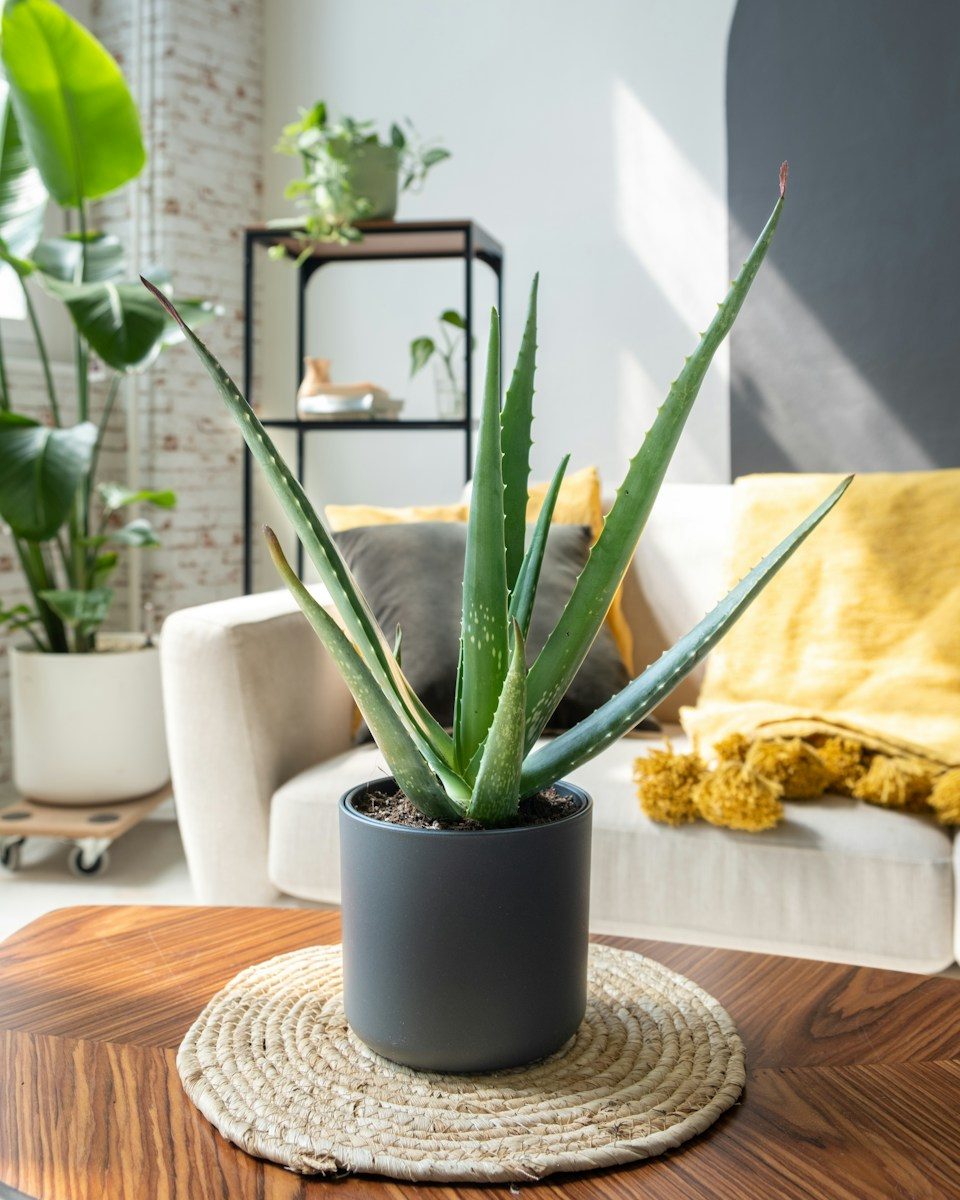
Quick answer: Yes, aloe vera is toxic to cats and dogs. The ASPCA lists aloe (Aloe vera) as toxic to cats, dogs and horses because the plant contains saponins and anthraquinones. Pet Poison Helpline explains that these anthraquinone glycosides are purgatives, which is why chewing the plant usually causes vomiting, diarrhea and lethargy. It’s rarely life-threatening, but call your vet or a pet poison hotline if your pet has eaten aloe, especially if it’s small, young or has a lot of diarrhea.
Aloe vera has a reputation as a “healing” plant. It sits on kitchen windowsills for sunburn and scrapes, and it’s often sold as an easy beginner succulent. That reputation leads plenty of pet owners to assume it’s harmless for animals too. Unfortunately, the plant itself is on the ASPCA’s toxic list for both cats and dogs.
This guide explains which part of aloe is the problem, the symptoms in cats and dogs, what to do if your pet chews your aloe, whether aloe gel products are safe, and the best pet-safe succulents to grow instead.
In this guide: Why aloe is toxic · Which part is the problem? · Symptoms in cats and dogs · How serious is it? · If your pet ate aloe · Is aloe gel safe on pets? · Keeping aloe with pets · Pet-safe succulents · FAQ
Why Is Aloe Vera Toxic to Cats and Dogs?
The ASPCA lists two groups of natural compounds as the toxic principles in aloe: saponins and anthraquinones.
- Anthraquinone glycosides are powerful natural laxatives. Pet Poison Helpline describes them as purgatives, meaning they push the gut to empty, which causes vomiting and diarrhea.
- Saponins are soapy, bitter compounds that irritate the stomach and intestines. They are also why snake plants are toxic to pets.
Cats and dogs are both affected. Cats tend to nibble less but are smaller, while dogs are more likely to chew up a whole leaf or even an entire small plant.
Which Part of Aloe Is the Problem?
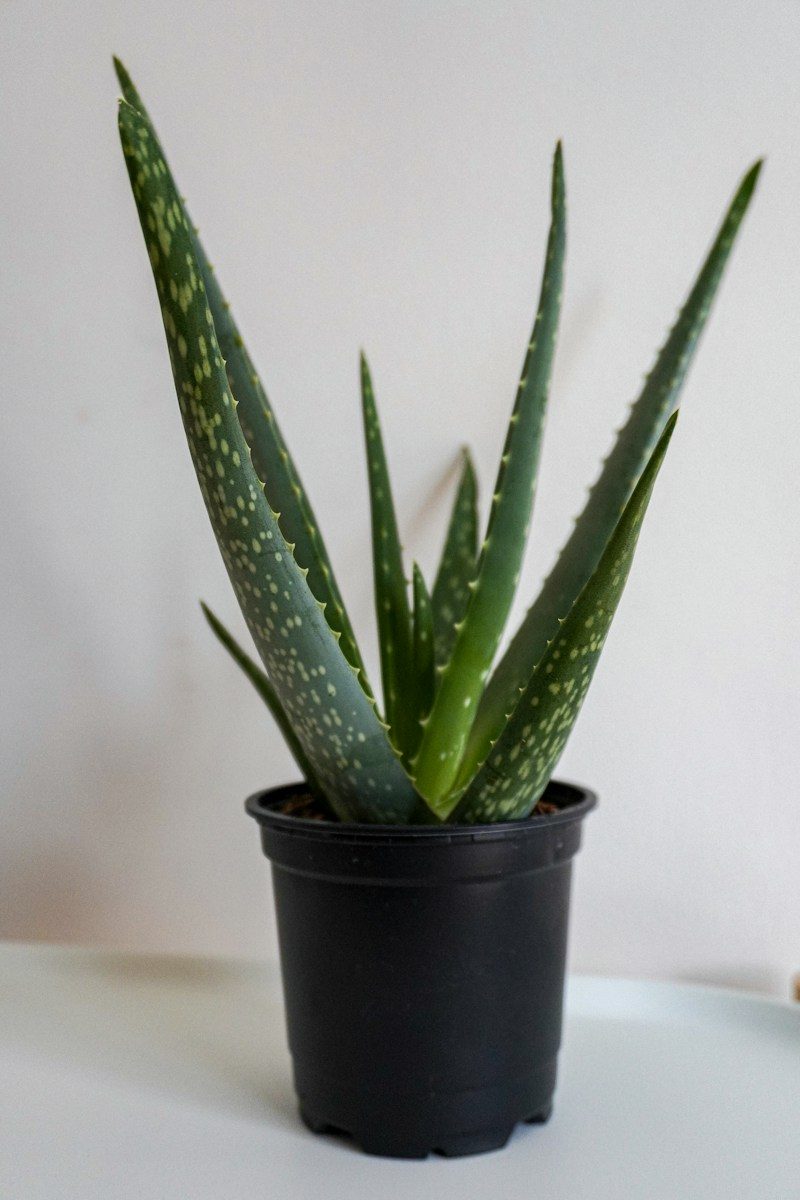
An aloe leaf has three layers: the tough green skin, a thin layer of bitter yellow sap just underneath it (often called aloe latex), and the clear inner gel. The anthraquinones are concentrated in that yellow latex layer. The ASPCA notes that the gel is considered edible.
That doesn’t help much in practice. A pet chewing a leaf gets all three layers at once, so treat any chewed aloe leaf as a potential poisoning.
Symptoms of Aloe Vera Poisoning in Cats and Dogs
The ASPCA lists vomiting, lethargy and diarrhea as the main signs. Symptoms usually start within a few hours of chewing the plant. Watch for:
- Vomiting, sometimes with bits of green leaf
- Diarrhea, which can be frequent or watery
- Lethargy, weakness or hiding
- Loss of appetite
- Drooling, nausea or abdominal discomfort (hunched posture, restlessness)
- Signs of dehydration after a lot of vomiting or diarrhea, such as sticky gums, sunken eyes or not drinking
How Dangerous Is Aloe Vera for Pets?
Aloe poisoning is usually mild to moderate, and most pets recover within a day or two with supportive care. The bitter taste stops many animals from eating much. The main risk is dehydration from repeated vomiting and diarrhea, which is more serious in kittens, puppies, small breeds, older pets and animals with other health problems.
Aloe is much less dangerous than plants like true lilies, which can cause kidney failure in cats, or sago palms, which can cause liver failure in cats and dogs.
What to Do If Your Cat or Dog Ate Aloe Vera
- Remove the plant and any leaf pieces from your pet’s mouth if you can do so safely.
- Work out how much was eaten. A nibble is very different from a whole leaf. Check the plant for missing pieces.
- Call for advice. Ring your vet, the ASPCA Animal Poison Control Center at (888) 426-4435 or Pet Poison Helpline at (855) 764-7661 (US; a consultation fee may apply).
- Don’t make your pet vomit or give medicines unless a vet tells you to.
- Offer fresh water and watch for dehydration.
- See a vet if vomiting or diarrhea is frequent, lasts more than a day, contains blood, or your pet is very lethargic or stops drinking.
Vets usually treat aloe poisoning with fluids, anti-nausea medication and a bland diet while the stomach settles.
Is Aloe Vera Gel Safe to Use on Cats and Dogs?
Be careful. Pets lick whatever is put on their skin, so a topical product will almost certainly be swallowed. Gel squeezed straight from a leaf can contain some of the bitter latex, and many aloe products made for people contain other ingredients, such as alcohol, fragrance, essential oils or numbing agents, that can be harmful to pets.
- Don’t apply aloe from your plant or human aloe gels to your pet without asking your vet.
- Use products made for pets, and only as your vet recommends.
- Get burns, hot spots and wounds checked by a vet rather than treating them at home.
Can You Keep Aloe Vera If You Have Pets?
Yes, if your pets can’t reach it. Aloe likes bright light, which often means a windowsill, exactly where cats like to sit. To keep everyone safe:
- Choose a cat-free room with a sunny window, such as a home office.
- Put it on a high shelf away from furniture your cat can use as a launch pad. For dogs, anything above nose height usually works.
- Pick up broken leaves and don’t leave cut leaves on counters.
- Use a heavy pot that a dog or cat can’t knock over.
- Swap it for a pet-safe succulent if your pet is a determined chewer.
Pet-Safe Succulents to Grow Instead of Aloe
Not all succulents are toxic. These are listed as non-toxic to cats and dogs by the ASPCA. Non-toxic doesn’t mean edible, so a pet that eats a lot of any plant may still get a mild upset stomach.
| Succulent | Why it works instead of aloe |
|---|---|
| Zebra haworthia (Haworthia fasciata) | The closest lookalike: a small spiky rosette with white stripes |
| Haworthia (Haworthia spp.) | Many shapes and textures, all compact enough for a windowsill |
| Hens and chickens (Echeveria elegans) | Pretty blue-green rosettes that love sun |
| Burro’s tail (Sedum morganianum) | Trailing stems of plump leaves for a hanging pot |
| Christmas cactus (Schlumbergera) | Flowering succulent with no sharp spines |
Watch out for these popular succulents, which the ASPCA lists as toxic: jade plant (vomiting, depression, incoordination) and kalanchoe (vomiting, diarrhea and, rarely, abnormal heart rhythm). For more options, see our full list of houseplants safe for cats.
Aloe Vera and Pets: FAQ
Can aloe vera kill a cat or dog?
It’s very unlikely. Aloe usually causes vomiting, diarrhea and lethargy that pass within a day or two. The main risk is dehydration in small, young or older pets, so call your vet if symptoms are severe or don’t improve.
Is aloe vera gel toxic to dogs if they lick it?
The ASPCA considers the clear gel itself edible, but gel from a plant can contain bitter latex, and human gels often contain other ingredients that aren’t pet-safe. A small lick is unlikely to cause more than a mild upset stomach, but don’t apply aloe to your pet without your vet’s advice.
How long does aloe poisoning last in pets?
Most pets are back to normal within 24 to 48 hours. See your vet if your pet is still vomiting or has diarrhea after a day.
Are all aloe plants toxic to pets?
The ASPCA’s listing is for Aloe vera, but other aloes are closely related and can contain similar compounds. Treat every aloe as unsafe for cats and dogs, and choose a haworthia if you want the same look.
Is aloe vera toxic to other pets?
The ASPCA lists aloe as toxic to horses too. For rabbits, birds and other small pets, ask your vet before letting them near any aloe.
More Plant Safety Guides
- 24 houseplants safe for cats (and the ones to avoid)
- Are snake plants toxic to dogs?
- Are spider plants safe for cats?
- Is lavender safe for cats?
- Are pothos toxic to cats?
The Bottom Line
Aloe vera is toxic to cats and dogs. Its saponins and laxative anthraquinones cause vomiting, diarrhea and lethargy, although serious poisoning is rare. Keep aloe out of reach, don’t use plant aloe or human aloe gels on your pet without your vet’s advice, and call your vet or a pet poison hotline if your pet chews a leaf. For a worry-free windowsill, swap it for a zebra haworthia or echeveria.
Sources: ASPCA Animal Poison Control: Aloe; Pet Poison Helpline: Aloe Vera; ASPCA plant pages for zebra haworthia, haworthia, hens and chickens, burro’s tail, Christmas cactus, jade plant and kalanchoe. This article is for general information and is not a substitute for veterinary advice. If you think your pet has been poisoned, contact your vet or an animal poison control service straight away. See our disclaimer.